
Having a fast and reliable hosting solution is crucial for your WordPress site. Slow loading times can lead to poor user experience, decreased search engine rankings, and lower conversion rates. In this section, we'll discuss why website speed is important and how to choose a hosting provider that offers optimal performance.
A speedometer with a WordPress logo in the center, surrounded by a circle of server towers.
Key Takeaways:
By following these strategies, you can select a fast and reliable hosting solution, optimize your WordPress hosting speed, and significantly improve your website's performance.
The Importance of Website Speed
When it comes to your website, speed matters. Website speed optimization is not just about ensuring fast loading times; it is also about delivering a seamless user experience. Fast-loading websites contribute to higher user engagement, lower bounce rates, and improved search engine rankings.
Users today have little patience for slow websites. Research shows that 53% of users will abandon a website if it takes more than three seconds to load. This not only leads to a poor user experience but also negatively impacts your website's conversion rates. On the other hand, a fast website creates a positive impression, encourages users to stay longer, and increases the chances of them converting into customers.
But it's not just users who appreciate fast websites. Search engines like Google prioritize websites with fast loading times, considering it an important factor in their ranking algorithms. By optimizing your website's speed, you not only enhance the user experience but also boost its visibility in search engine results, leading to increased organic traffic and potential customers.
Benefits of Fast Loading Websites:
Factors Affecting Website Speed:
Several factors can impact the speed of your website. Unoptimized images, too many plugins, outdated plugins, inefficient code, and embedded external media can slow down page loading times. It is crucial to address these factors to ensure your website delivers the best experience to your users and performs well in search engine rankings.
Continued in Section 3...
Factors that Affect WordPress Site Speed
When it comes to the speed of your WordPress site, there are several factors that can have an impact. By understanding these factors, you can take the necessary steps to optimize your site's performance and ensure a fast and seamless user experience.
Unoptimized Images
One common culprit of slow page loading times is unoptimized images. Large image file sizes can significantly slow down your website. To resolve this issue, make sure to optimize your images by compressing them without compromising their quality. There are various plugins and online tools available that can help you easily optimize your images for the web.
Too Many Plugins
While plugins can offer valuable functionality to your WordPress site, having too many can negatively impact its speed. Each plugin you install adds additional code that needs to be processed, potentially slowing down your site. It's essential to carefully consider the plugins you truly need and regularly review and delete any outdated or unused plugins.
Outdated Plugins and Inefficient Code
Outdated plugins and inefficiently coded themes or customizations can also contribute to slower page loading times. Developers regularly release updates to plugins and themes to improve performance and security. By keeping your plugins, themes, and WordPress version up to date, you can ensure that your site is running smoothly and efficiently.
External Embedded Media
Embedding external media, such as videos or social media content, can add to your page loading time. This is because each external element requires additional server requests to load the content, which can slow down your site. Consider hosting videos on external platforms and try to limit the amount of external content you embed on your pages to optimize site speed.
By addressing these factors, you can significantly improve the speed of your WordPress site and enhance the overall user experience. Remember to regularly monitor your site's performance and make adjustments as needed to ensure optimal speed and functionality.
Tips for Improving WordPress Hosting Speed
If you want to enhance the speed of your WordPress hosting, there are several key steps you can take. By following these tips, you can ensure that your site performs optimally and provides a fast and efficient user experience.
Choose a Reliable Hosting Provider
One of the most crucial factors for improving WordPress hosting speed is to select a reliable hosting provider. Look for a provider that offers high-performance servers and has a track record of delivering fast and stable hosting services. A reliable hosting provider will ensure that your website is consistently available and loading quickly for your visitors.
Update Plugins and Themes Regularly
Keeping your plugins and themes up to date is essential for improving site speed. Outdated plugins and themes can have performance issues and may not be compatible with the latest version of WordPress. By updating them regularly, you can ensure that you have access to the latest optimizations and bug fixes, which can positively impact your website's speed.
Use the Latest Version of PHP
Using the latest version of PHP is another effective way to improve your WordPress hosting speed. PHP is the scripting language that powers WordPress, and newer versions often include performance enhancements and optimizations. Upgrading to the latest version of PHP can significantly boost your site's speed and overall performance.
Delete Unused Plugins
Having unused plugins on your WordPress site can impact its speed and performance. These plugins can add unnecessary code and database queries, leading to slower loading times. By regularly reviewing and deleting unused plugins, you can streamline your site and improve its speed.
Install High-Quality Plugins and Use a Lightweight Theme
When selecting plugins for your WordPress site, opt for high-quality options that are known for their performance and optimization. These plugins are typically designed to be efficient and lightweight, minimizing their impact on your site's speed. Additionally, using a lightweight theme can also contribute to faster loading times, as it requires fewer server resources to render the page.
By following these tips, you can significantly improve the speed and performance of your WordPress hosting. Remember to regularly monitor your site's speed and make necessary optimizations to ensure that your visitors have a fast and seamless browsing experience.
| Tip | Description |
| Choose a Reliable Hosting Provider | Select a hosting provider that offers high-performance servers and a proven track record of reliability. |
| Update Plugins and Themes Regularly | Keep your plugins and themes up to date to access the latest optimizations and bug fixes. |
| Use the Latest Version of PHP | Upgrade to the latest version of PHP to take advantage of performance enhancements. |
| Delete Unused Plugins | Regularly review and delete unused plugins to streamline your site and reduce unnecessary code. |
| Install High-Quality Plugins and Use a Lightweight Theme | Choose optimized plugins and a lightweight theme to minimize the impact on your site's speed. |
These tips will help you optimize your WordPress hosting speed and provide a fast and efficient experience for your website visitors.
Optimizing Website Content for Speed
Optimizing the content on your website is a crucial step in improving its speed and performance. By implementing the following strategies, you can ensure your site loads quickly and efficiently.
Images are an essential part of any website, but large file sizes can significantly slow down loading times. To optimize your images:
By reducing image file sizes, you can improve page loading times and enhance the overall user experience.
Lazy loading is a technique where content (such as images, videos, or iframes) is loaded only when needed. This improves initial page load times and reduces the amount of data that needs to be transferred. To implement lazy loading:
By implementing lazy loading, your website will load faster and provide a smoother user experience.
Hosting videos directly on your server can consume a significant amount of resources and slow down your website. Instead, consider using external video hosting platforms like YouTube or Vimeo. These platforms are designed to handle video streaming efficiently and will not affect your site's performance.
CSS and JavaScript files can contribute to slow loading times if they are large and not optimized. Reduce file sizes by:
By reducing the sizes of your CSS and JavaScript files, you can improve your website's speed and performance.
Additional Techniques for Speeding Up WordPress
When it comes to optimizing your WordPress site for speed, there are several additional techniques you can implement to further improve its performance. These techniques will help ensure that your site loads quickly and efficiently, providing a seamless user experience. Let's take a look at some of these techniques:
A caching plugin is a powerful tool that can significantly improve your site's speed. It works by storing static content, such as images and CSS files, and serving them directly to visitors instead of generating them from scratch every time. This reduces server load and speeds up page loading times. There are several caching plugins available for WordPress, such as W3 Total Cache and WP Super Cache, that are easy to install and configure.
Complex page designs and content with excessive elements can slow down your site. To improve speed, consider simplifying your page designs by minimizing the number of images, videos, and other media elements. Optimize your content by removing unnecessary plugins, widgets, and scripts. By reducing the amount of data that needs to be loaded, you can significantly improve your site's speed.
Regularly cleaning up your WordPress database can help improve your site's performance. Over time, your database can accumulate unnecessary data, such as post revisions, spam comments, and unused plugin tables. By deleting this unnecessary data, you can optimize your database and improve the speed of your site. You can use plugins like WP-Optimize or WP-Sweep to easily clean up your database.
Every time you save a post or page, WordPress creates a new revision, which can result in a bloated database. By limiting the number of post revisions, you can reduce the size of your database and improve your site's speed. Additionally, avoid excessive redirects as they can slow down page loading times. Keep your redirects to a minimum and ensure that they are necessary.
A Content Delivery Network (CDN) is a network of servers located in different parts of the world that store copies of your site's content. When a user accesses your site, the CDN serves the content from the server closest to them, reducing the distance the data needs to travel and improving load times. Popular CDN services include Cloudflare, StackPath, and Amazon CloudFront.
GZIP compression is a method that reduces the size of your website's files, such as CSS and JavaScript, before they are sent to the user's browser. This compression technique significantly reduces file sizes, resulting in faster loading times. Most modern web servers and browsers support GZIP compression, and enabling it is as simple as adding a few lines of code to your server's configuration file.
External scripts, such as those used for analytics or advertising, can slow down your site if they take too long to load. Evaluate the necessity of each external script and consider removing or replacing them with lightweight alternatives. Additionally, avoid hotlinking, which is the practice of embedding images or other media from external websites on your own site. Hotlinking can negatively impact your site's loading speed, so it's best to host the media files on your own server.
Scheduling resource-intensive tasks, such as database backups or plugin updates, during low-traffic periods can help minimize their impact on your site's speed. By avoiding peak times, you can ensure that your site remains fast and responsive even during maintenance or updates.
If you have long posts or a large number of comments on your site, consider splitting them into multiple pages. This can improve loading times by loading only a portion of the content at a time. Many WordPress themes and plugins offer pagination options that make it easy to split long posts and paginate comments, providing a better user experience.
| Technique | Benefits |
| Install a caching plugin | Reduces server load and speeds up page loading times |
| Simplify page designs and content | Minimizes the amount of data that needs to be loaded |
| Tidy up your WordPress database | Optimizes the database and improves site speed |
| Limit post revisions and avoid redirects | Reduces the size of the database and improves loading times |
| Use a Content Delivery Network (CDN) | Improves load times by serving content from servers closest to users |
| Compress files with GZIP | Significantly reduces file sizes and improves loading times |
| Limit external scripts and avoid hotlinking | Reduces the impact of external scripts and avoids slowing down the site |
| Schedule tasks for low-traffic periods | Minimizes the impact of resource-intensive tasks on site speed |
| Split long posts and paginate posts and comments | Improves loading times by loading content in smaller portions |
Conclusion
Optimizing the speed of your WordPress site is crucial for providing a fast and reliable hosting solution and improving website performance. By following the steps and techniques mentioned in this article, you can significantly enhance your WordPress hosting speed and ensure an optimal user experience.
Remember to choose a hosting provider that prioritizes speed and reliability to lay a strong foundation for your website. Regularly update your plugins and themes, use the latest version of PHP, and delete unused plugins to eliminate any unnecessary load on your site. Install high-quality, performance-optimized plugins and opt for lightweight themes to further improve loading times.
Additionally, optimizing your website content by compressing and optimizing images, implementing lazy loading for content, and avoiding hosting videos on your server can further boost site speed. Minify CSS and JavaScript files to reduce their size and limit external scripts and hotlinking to reduce unnecessary requests. Consider implementing a caching plugin, tidying up your WordPress database, scheduling tasks for low-traffic periods, and paginating long posts and comments to optimize performance.
Continuously monitor and test your site's speed to ensure it maintains its fast loading times. By optimizing your WordPress hosting speed and improving website performance, you will provide a seamless user experience and enhance your site's visibility and usability.
WordPress security is a critical concern for all website owners. With thousands of websites being blacklisted every day for malware and phishing, it's essential to implement the best practices for securing your WordPress blog. This guide will provide you with actionable steps and insights into WordPress security, including the importance of keeping WordPress updated, using strong passwords, and the role of web hosting in protecting your site.
Key Takeaways
Why WordPress Security is Important
The security of your WordPress site is of utmost importance in order to protect your website from hackers and prevent malware attacks. Security breaches can lead to data theft, the distribution of harmful malware, and even ransomware attacks. Not only can these breaches cause significant damage to your website and reputation, but they can also result in legal and financial consequences for your business.
In addition to protecting your own information, it is essential to consider your visitors' expectations. Internet users today are increasingly aware of the importance of online security, and they expect websites to provide a safe browsing experience. A secure website builds trust and credibility with your audience, increasing the likelihood of return visits and conversions. Furthermore, search engines like Google prioritize secure sites in their rankings, meaning that investing in WordPress security measures can also improve your website's visibility and organic traffic.
Protect Your Website from Hackers and Malware
By implementing proper WordPress security measures, you can safeguard your website and protect it from potential threats. This includes regularly updating WordPress, plugins, and themes, as updates often include security patches that address vulnerabilities. It also involves using strong passwords for your admin accounts, limiting login attempts, and enabling two-factor authentication to prevent unauthorized access.
Another key aspect of WordPress security is choosing a reliable web hosting provider. A secure hosting environment ensures that your website is hosted on servers that are protected against common threats and regularly updated with the latest security measures. Managed WordPress hosting, in particular, offers enhanced security features such as automatic backups, regular software updates, and advanced security configurations, providing an additional layer of protection for your site.
| Benefits of WordPress Security | Measures to Protect Your Website |
| 1. Protection against data theft and malware distribution | 1. Regularly update WordPress, plugins, and themes |
| 2. Enhanced trust and credibility with your audience | 2. Use strong passwords and limit login attempts |
| 3. Improved search engine visibility and organic traffic | 3. Enable two-factor authentication |
| 4. Legal and financial consequences | 4. Choose a reliable web hosting provider |
Keeping WordPress Updated
Regularly updating your WordPress installation, plugins, and themes is essential for maintaining a secure website. Updates often include security patches that address vulnerabilities and protect against potential threats. By keeping your WordPress site up to date, you minimize the risk of hacking attempts and ensure the stability of your site.
Updating WordPress is a straightforward process. Once a new version is released, you'll receive a notification in your WordPress dashboard. Simply click on the update button to initiate the update. It's important to back up your site before performing any updates to avoid any potential data loss. Additionally, it's crucial to update your plugins and themes as well. Outdated versions can expose your site to security risks.
To update your plugins, go to the "Plugins" section in your WordPress dashboard. If an update is available, you'll see a notification next to the plugin name. Click on the "Update Now" button to update the plugin. Similarly, for themes, navigate to the "Appearance" section and click on the "Themes" tab. If an update is available for your active theme, you'll see an update notification. Click on the "Update Now" button to update the theme.
| Key Actions | Purpose |
| Regularly update WordPress, plugins, and themes | Address vulnerabilities and protect against potential threats |
| Back up your site before performing updates | Minimize the risk of data loss |
| Update plugins in the "Plugins" section | Ensure plugins are up to date |
| Update themes in the "Appearance" section | Keep your active theme secure |
By prioritizing regular updates, you can strengthen the security of your WordPress site and stay protected against emerging threats.
Passwords and User Permissions
Creating strong passwords and managing user permissions are vital aspects of WordPress security. By implementing best practices in password management and user access control, you can significantly enhance the security of your WordPress site and protect it from unauthorized access.
Strong Passwords
Using strong, unique passwords is essential to prevent unauthorized access to your WordPress site. Avoid using commonly used passwords or personal information that can be easily guessed. Instead, create passwords with a combination of uppercase and lowercase letters, numbers, and special characters. Regularly updating passwords is also recommended to mitigate any potential risks.
Limit Login Attempts
Limiting the number of login attempts can deter hackers from using brute force attacks to gain access to your WordPress site. By setting a limit on the number of failed login attempts, you can effectively block repeated login attempts, making it more difficult for unauthorized users to guess or crack your password.
Two-Factor Authentication
Implementing two-factor authentication adds an extra layer of security to your WordPress login process. This authentication method requires users to provide an additional verification code, usually sent to their mobile device, after entering their password. By enabling two-factor authentication, you can ensure that only authorized individuals with both the password and the verification code can access your WordPress site.
Password Protect wp-admin and Login Pages
Another important security measure is to password protect the wp-admin directory and the login pages of your WordPress site. This additional layer of protection prevents unauthorized access to sensitive areas of your site, such as the WordPress admin panel. Password protecting these pages adds an extra barrier for potential hackers, making it more challenging for them to gain control of your WordPress site.
Table: User Permissions
| User Role | Capabilities |
| Administrator | Full access to all WordPress settings and functionality |
| Editor | Can create, edit, publish, and delete all posts and pages |
| Author | Can create, edit, publish, and delete their own posts |
| Contributor | Can write and edit their own drafts, but cannot publish them |
| Subscriber | Can only manage their profile and leave comments on your site |
Understanding user roles and permissions is crucial for controlling access to your WordPress site. By assigning appropriate user roles to individuals, you can limit their capabilities and ensure that only trusted users have access to critical administrative functions. Regularly review and update user permissions to maintain the security of your WordPress site.
The Role of Web Hosting
When it comes to securing your WordPress site, the choice of web hosting provider is crucial. A reliable and secure web hosting provider plays a significant role in protecting your website from potential threats. With web hosting security being a top priority, it's essential to choose a provider that offers advanced security features and robust infrastructure.
Managed WordPress hosting is an excellent option for ensuring the security of your WordPress site. By opting for managed hosting, you can benefit from automatic backups, regular updates, and enhanced security configurations. These features can significantly reduce the risk of security breaches and provide peace of mind.
The Benefits of Managed WordPress Hosting
Managed WordPress hosting offers several advantages when it comes to website security:
By choosing a secure web hosting provider, such as a reputable managed WordPress hosting service, you can enhance the security of your WordPress site and protect it from potential threats.
Conclusion
Securing your WordPress blog with hosting is of utmost importance to protect your website from hackers and malware. By implementing the best practices outlined in this guide, you can significantly enhance the security of your WordPress site and ensure a safe online presence.
Remember that WordPress security is an ongoing process, and it requires active vigilance. Keep your WordPress installation, plugins, and themes up to date to stay protected against potential threats. Additionally, use strong and unique passwords for your admin, FTP, and hosting accounts. Consider implementing measures like limiting login attempts and enabling two-factor authentication to further enhance your site's security.
Choosing a secure web hosting provider is also crucial. Opt for a reputable company that takes proactive measures to protect their servers and offers advanced security configurations. Managed WordPress hosting can provide automatic backups, regular updates, and enhanced security features to ensure the safety of your website. Prioritize the security of your WordPress site by selecting a web hosting provider with a proven track record in WordPress security.
By following these WordPress security best practices and investing in secure WordPress hosting, you can protect your website from hackers, safeguard your data, and maintain the trust of your visitors. Don't compromise on the importance of WordPress security - prioritize the security of your WordPress blog today for a secure and successful online presence.
Create an image featuring a shield or barrier with a WordPress logo inside, representing the idea of secure hosting.
Key Takeaways
Why WordPress Security is Important
The security of your WordPress site is of utmost importance in order to protect your website from hackers and prevent malware attacks. Security breaches can lead to data theft, the distribution of harmful malware, and even ransomware attacks. Not only can these breaches cause significant damage to your website and reputation, but they can also result in legal and financial consequences for your business.
In addition to protecting your own information, it is essential to consider your visitors' expectations. Internet users today are increasingly aware of the importance of online security, and they expect websites to provide a safe browsing experience. A secure website builds trust and credibility with your audience, increasing the likelihood of return visits and conversions. Furthermore, search engines like Google prioritize secure sites in their rankings, meaning that investing in WordPress security measures can also improve your website's visibility and organic traffic.
Protect Your Website from Hackers and Malware
By implementing proper WordPress security measures, you can safeguard your website and protect it from potential threats. This includes regularly updating WordPress, plugins, and themes, as updates often include security patches that address vulnerabilities. It also involves using strong passwords for your admin accounts, limiting login attempts, and enabling two-factor authentication to prevent unauthorized access.
Another key aspect of WordPress security is choosing a reliable web hosting provider. A secure hosting environment ensures that your website is hosted on servers that are protected against common threats and regularly updated with the latest security measures. Managed WordPress hosting, in particular, offers enhanced security features such as automatic backups, regular software updates, and advanced security configurations, providing an additional layer of protection for your site.
| Benefits of WordPress Security | Measures to Protect Your Website |
| 1. Protection against data theft and malware distribution | 1. Regularly update WordPress, plugins, and themes |
| 2. Enhanced trust and credibility with your audience | 2. Use strong passwords and limit login attempts |
| 3. Improved search engine visibility and organic traffic | 3. Enable two-factor authentication |
| 4. Legal and financial consequences | 4. Choose a reliable web hosting provider |
Keeping WordPress Updated
Regularly updating your WordPress installation, plugins, and themes is essential for maintaining a secure website. Updates often include security patches that address vulnerabilities and protect against potential threats. By keeping your WordPress site up to date, you minimize the risk of hacking attempts and ensure the stability of your site.
Updating WordPress is a straightforward process. Once a new version is released, you'll receive a notification in your WordPress dashboard. Simply click on the update button to initiate the update. It's important to back up your site before performing any updates to avoid any potential data loss. Additionally, it's crucial to update your plugins and themes as well. Outdated versions can expose your site to security risks.
To update your plugins, go to the "Plugins" section in your WordPress dashboard. If an update is available, you'll see a notification next to the plugin name. Click on the "Update Now" button to update the plugin. Similarly, for themes, navigate to the "Appearance" section and click on the "Themes" tab. If an update is available for your active theme, you'll see an update notification. Click on the "Update Now" button to update the theme.
| Key Actions | Purpose |
| Regularly update WordPress, plugins, and themes | Address vulnerabilities and protect against potential threats |
| Back up your site before performing updates | Minimize the risk of data loss |
| Update plugins in the "Plugins" section | Ensure plugins are up to date |
| Update themes in the "Appearance" section | Keep your active theme secure |
By prioritizing regular updates, you can strengthen the security of your WordPress site and stay protected against emerging threats.
Passwords and User Permissions
Creating strong passwords and managing user permissions are vital aspects of WordPress security. By implementing best practices in password management and user access control, you can significantly enhance the security of your WordPress site and protect it from unauthorized access.
Strong Passwords
Using strong, unique passwords is essential to prevent unauthorized access to your WordPress site. Avoid using commonly used passwords or personal information that can be easily guessed. Instead, create passwords with a combination of uppercase and lowercase letters, numbers, and special characters. Regularly updating passwords is also recommended to mitigate any potential risks.
Limit Login Attempts
Limiting the number of login attempts can deter hackers from using brute force attacks to gain access to your WordPress site. By setting a limit on the number of failed login attempts, you can effectively block repeated login attempts, making it more difficult for unauthorized users to guess or crack your password.
Two-Factor Authentication
Implementing two-factor authentication adds an extra layer of security to your WordPress login process. This authentication method requires users to provide an additional verification code, usually sent to their mobile device, after entering their password. By enabling two-factor authentication, you can ensure that only authorized individuals with both the password and the verification code can access your WordPress site.
Password Protect wp-admin and Login Pages
Another important security measure is to password protect the wp-admin directory and the login pages of your WordPress site. This additional layer of protection prevents unauthorized access to sensitive areas of your site, such as the WordPress admin panel. Password protecting these pages adds an extra barrier for potential hackers, making it more challenging for them to gain control of your WordPress site.
Table: User Permissions
| User Role | Capabilities |
| Administrator | Full access to all WordPress settings and functionality |
| Editor | Can create, edit, publish, and delete all posts and pages |
| Author | Can create, edit, publish, and delete their own posts |
| Contributor | Can write and edit their own drafts, but cannot publish them |
| Subscriber | Can only manage their profile and leave comments on your site |
Understanding user roles and permissions is crucial for controlling access to your WordPress site. By assigning appropriate user roles to individuals, you can limit their capabilities and ensure that only trusted users have access to critical administrative functions. Regularly review and update user permissions to maintain the security of your WordPress site.
The Role of Web Hosting
When it comes to securing your WordPress site, the choice of web hosting provider is crucial. A reliable and secure web hosting provider plays a significant role in protecting your website from potential threats. With web hosting security being a top priority, it's essential to choose a provider that offers advanced security features and robust infrastructure.
Managed WordPress hosting is an excellent option for ensuring the security of your WordPress site. By opting for managed hosting, you can benefit from automatic backups, regular updates, and enhanced security configurations. These features can significantly reduce the risk of security breaches and provide peace of mind.
The Benefits of Managed WordPress Hosting
Managed WordPress hosting offers several advantages when it comes to website security:
By choosing a secure web hosting provider, such as a reputable managed WordPress hosting service, you can enhance the security of your WordPress site and protect it from potential threats.
Conclusion
Securing your WordPress blog with hosting is of utmost importance to protect your website from hackers and malware. By implementing the best practices outlined in this guide, you can significantly enhance the security of your WordPress site and ensure a safe online presence.
Remember that WordPress security is an ongoing process, and it requires active vigilance. Keep your WordPress installation, plugins, and themes up to date to stay protected against potential threats. Additionally, use strong and unique passwords for your admin, FTP, and hosting accounts. Consider implementing measures like limiting login attempts and enabling two-factor authentication to further enhance your site's security.
Choosing a secure web hosting provider is also crucial. Opt for a reputable company that takes proactive measures to protect their servers and offers advanced security configurations. Managed WordPress hosting can provide automatic backups, regular updates, and enhanced security features to ensure the safety of your website. Prioritize the security of your WordPress site by selecting a web hosting provider with a proven track record in WordPress security.
By following these WordPress security best practices and investing in secure WordPress hosting, you can protect your website from hackers, safeguard your data, and maintain the trust of your visitors. Don't compromise on the importance of WordPress security - prioritize the security of your WordPress blog today for a secure and successful online presence.
Important factors to ensure the best hosting are Speed, Support, Security. As your site grows you need to be sure your bigger, more popular website can still load fast and allow all large surges of higher traffic.
Hosting services are available in a wide range of prices ranging from a few dollars a month to thousands of dollars. A small business just getting a web presence, a shared hosting service is the best way to start. This gives you all you need regarding disc space, bandwidth and support. Leaving the support and management to the experts.
Virtual Private Server (VPS) is an open for a business that has outgrown shared services. Maybe you need more space or need to run applications that aren’t available on shared server. However you will need to manage it all yourself. After all a VPS is YOUR server so you are responsible for the running and management of the server and your websites. So a high level of knowledge is required.
Hosting prices can vary from just AU$4 / month up to AU$100 / month. This will depend on your needs and what you get for the plan.
What does Hosting and Support Mean?
All Hosting Providers offer similar offerings. Web and Email Hosting, Email Only, DNS Hosting. Basic customer service provides access to email, ticket and phone support.
The main difference is in support. Turnaround time on requests, Ticket Response times, Even just answering the phone. Some service providers will offer 24-hour phone support.
Bear in mind hosting support includes,
1. Server Maintenance and support
2. General troubleshooting and advice
3. Domain and hosting related management
4. Service renewals to ensure you don’t lose your domain or your services go offline.
5. Regular backups (used as a last resort for restores if required)
1. Website maintenance
2. Web development or changes to site
3. IT related issues such as fixing your email client, exporting email
However at Hosting Australia we do provide the above support but it will be charged at a reasonable rate. This means you don’t have to go find a developer to fix or maintain your website.
Managed Services.
Although the above support isn’t included in the normal hosting package, Hosting Australia can help with development and management with our Managed Services Packages. This allows you to leave it all to us. Your site is managed and updated on a regular basis to keep it all up to date and secure. It also includes changes to content and images as required but does not include design changes.
If you don’t want to use a monthly Managed Services Package then we will still support your site as required but quote on an ad hoc basis to work on the site when you need.
Estimate the amount of traffic you expect.
Some plans will include a limit on Bandwidth. This is the amount of traffic coming to your site. Just starting our your site won’t generate a lot of traffic but when it does upgrading your site to a higher level is very easy. Also your site may be seasonal. If your normal traffic is low but when you have an event and promote it you may find that your traffic suddenly spikes for a few weeks before the event and during. So you will need to allow for this and make sure you have enough bandwidth to handle the traffic. Rather than upgrading your hosting package you may just need to use an Add On package for the period of the event.
Where are the Servers?
Server location is important to a lot of people. Having servers overseas can affect your site speed and even more important support level due to time zones. Hosting Australia staff and servers are all in Australia and fully Australian owned.
There are some hosts that promote a simple web builder to instantly build a “great” site. Companies such as WIX, Weebly among others offer this server. What they don’t mention is that once the site is built it is locked to their servers because you are using their site building software. This doesn’t allow you to move your hosting if you find they don’t provide the support or service you expect. This means you need to build a whole new site just to move away from them.
You most probably will prefer the option to move if you need so a portable hosted CMS is the best way to go and your host can help you with migrating your site and email when you pick a new provider.
[et_pb_section fb_built="1" _builder_version="4.16" global_colors_info="{}"][et_pb_row _builder_version="4.16" background_size="initial" background_position="top_left" background_repeat="repeat" global_colors_info="{}"][et_pb_column type="4_4" _builder_version="4.16" custom_padding="|||" global_colors_info="{}" custom_padding__hover="|||"][et_pb_text _builder_version="4.17.4" background_size="initial" background_position="top_left" background_repeat="repeat" global_colors_info="{}"]
There is an easy answer to this question. Depends!
Most people will have 1 or 2 sites that they can easily manage with 1 or 2 cpanels. In fact some people can run 5 or more sites on the same Cpanel. This is done using Parked or Add On Domains.
This is fine if you own all the domains and want to keep costs down rather than running a Hosting Package for each domain. However if you have 5-10 or more domains and they belong to other people (friends, colleagues or customers) you would be better off choosing to be a reseller.
For a couple of reasons.
If you own all the domains it’s a good way to at least manage your sites through one portal but this also allows you to grow into a business and now provide the server to others.
Hosting Australia reseller packages start at $29/month which allows you 10 cpanel accounts. When you consider the average hosting package can be between $150 - $200 / year, you can very quickly start up a profitable business simply by bringing in some paying customers.
Web Hosting may not be your core business but if your business is web related such as graphics or web development why not offer the extra service to your customer and earn a little more to cover your costs of hosting your own sites?
Remember as a reseller this is your business. You can run it as you see fit… with in certain guidelines. Also you can charge whatever you want or not at all…. That’s all entirely up to you.
However since it is your business and they your customers, it is your responsibility to provide all support to your customers. It is your hosting company. You’re just using Hosting Australia’s infrastructure. Therefore you customers go to you for support not Hosting Australia.
That doesn’t mean we don’t provide support. You can come to us with anything you aren’t able to handle. However charges may apply. We still provide all the server support but any customer related or email / Web hosting problems will be charged for.
So there is that to consider because if you don’t have time or the knowledge or just don’t want to bother then being a reseller may not be for you. Or be a reseller and let us take care of your customers. We do provide support packages for resellers who just want to concentrate on their core business.
Being a reseller can be profitable but if you don’t want to take on all the responsibilities of supporting your customer hosting then perhaps an alternative is to become an affiliate.
This topic for another day
[/et_pb_text][/et_pb_column][/et_pb_row][/et_pb_section]
[et_pb_section fb_built="1" _builder_version="3.22" global_colors_info="{}"][et_pb_row _builder_version="3.25" background_size="initial" background_position="top_left" background_repeat="repeat" global_colors_info="{}"][et_pb_column type="4_4" _builder_version="3.25" custom_padding="|||" global_colors_info="{}" custom_padding__hover="|||"][et_pb_text _builder_version="4.14.7" background_size="initial" background_position="top_left" background_repeat="repeat" global_colors_info="{}"]
Did you know Hosting Australia Provides a free cPanel autoSSL? An SSL Certificate is a vital and powerful tool for securing your website and visually reassuring your visitors that their connection to your site is secure. Based on the SSL Certificate installed, most browsers and mobile devices will discourage and/or warn you of a website's security protocols in use. Furthermore, many search engines will give higher rankings to sites that have implemented an SSL Certificate (and use the https:// protocol rather than the non-secure https:// protocol).
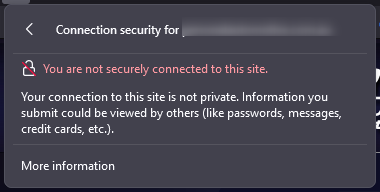
We'll explain the differences between "Free SSL" and "Dedicated SSL" Certificates in this article, which should help you decide which type of SSL Certificate is best for your website's security needs. Then, we'll assist you in installing cPanel's AutoSSL, a free SSL that is always enabled, so you can avoid browser warnings on your site.
Simply put, an SSL Certificate is a digital file that contains information used to authenticate the ownership of a website (or web server). It also includes a cryptographic key that has been supplied and authenticated by an authorised Certificate Authority (CA). This enables the visitor to quickly identify and trust a secure website.
This trust is represented by the more familiar "green padlock" displayed in the address bar. A green padlock (or, in some browsers, a solid, uncrossed padlock) indicates that the connection is properly encrypted for security.
In general, the two most widely accepted types of SSL are free SSLs and paid Dedicated SSL Certificates. In general, the encryption used by a Free SSL Certificate and a Dedicated SSL Certificate is the same.
What's the distinction? Without a dedicated IP address, free certificates use Server Name Indication (SNI). This means that multiple domains can use the same IP address while still using SSL. It should be noted that this type of certificate is not as widely accepted as an Advanced SSL with a dedicated IP address. This is since SNI is a relatively new extension that has only recently gained widespread support across browsers and devices. Some older browsers and devices may refuse to accept an SNI-enabled certificate.
Dedicated SSL Certificates frequently include more extensive validation. For example, an Extended Validation SSL Certificate would authenticate not only the domain owner but also the legitimacy of the business claiming to be the owner of the website. Although the encryption is the same, this additional layer of validation can help your visitors trust your website and business as a whole.
The level of acceptance provided by a free AutoSSL is adequate for most informational websites. Large-scale enterprises (such as an eCommerce store) that accept private data about their customers should consider purchasing a paid SSL certificate from a reputable certificate authority. In addition to being widely accepted in all browsers and devices, premium SSLs from certificate authorities frequently include support and warranties. This is why many payment processors insist on you purchasing specific, premium SSLs.
Hosting Australia offers a wide range of Premium rapidSSL’s that will be installed and managed by our support team. Check Out which SSL is best for your website HERE!
The below highlights some of the key differences between an AutoSSL and a purchased SSL, such as the popular RapidSSL
| Free AutoSSL Certificate | Purchased SSL Certificate |
| AutoSSL (cPanel, Comodo issued) certificate is valid for 90 days and renewed automatically in cPanel. More renewals, can mean more points of failure or issues. | Purchased SSL Certificates are valid for a minimum of 1 year. |
| AutoSSL Certificate doesn’t provide the site seal to display on your site and earn trust from your website users. | Purchased SSL Certificates provide a secured site seal for their SSL certificates, which earns the trust of your website visitors. |
| AutoSSL does not provide any kind of support - you will need to troubleshoot and manage as the end-user. | Most of the Purchased SSL Certificates provide customer support including sales, technical, and installation. |
| AutoSSL doesn't provide Organisation Validation (OV) and Extended Validation (EV). | Purchased SSL does provide Organisation Validation (OV) and Extended Validation (EV). |
| You can install an AutoSSL Certificate to secure your informative website or a blog. | If you are running your business, we recommend you to go with a Purchased Certificate as a more robust and trustworthy solution. |
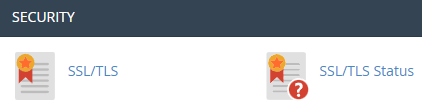
Hosting Australia's Core and higher hosting packages include a free autoSSL certificate. This autoSSL can be found in the SSL/TLS Status section of your cPanel, under the Security heading.
If you see a red padlock, it means your autoSSL is not installed. Simply check the box and run AutoSSL; after a few moments, a pop-up will
appear informing you that your auto-ssl has been installed.
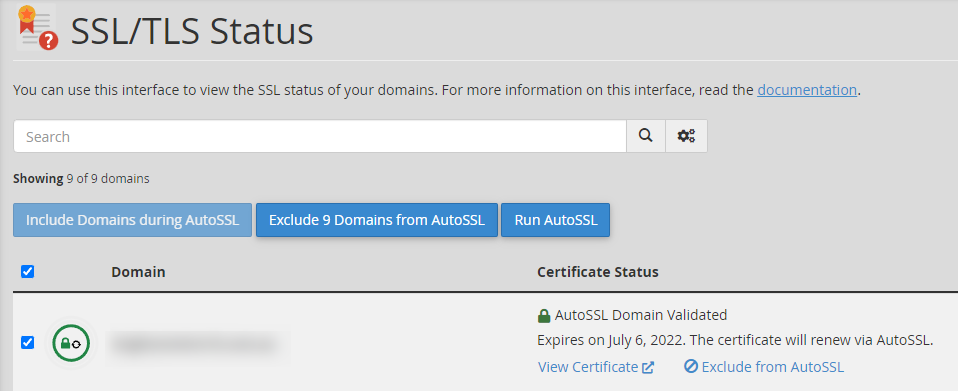
If you have any problems installing autoSSL, try troubleshooting using these methods.
To begin, ensure that your domain is pointed to our nameservers and eventually resolves to Hosting Australia's IP address. Check that your Content Delivery Network (CDN) is properly configured; some CDNs will require you to set up an SSL with them rather than with us. For more information on CDN-related errors, please see the section below. Here are some guides to help you ensure this is correctly configured.
Because your .htaccess file handles rewrite rules and redirects, it is frequently the source of Free SSL problems. .htaccess can be accessed through your File Manager; if you need help locating your File Manager, please see our guide HERE!
Because your plugins can modify the .htaccess file, they frequently cause conflicts. As a test, turn off any security plugins you're using.
When AutoSSL is enabled for an account and a domain or subdomain is added, the server initially generates a Self-Signed request and then works on obtaining an SSL certificate (based on Domain Name Validation).
[/et_pb_text][/et_pb_column][/et_pb_row][/et_pb_section]
Do you have a website and are getting the impression that it’s time to upgrade your hosting plan? Maybe you already know that you need to and you’re just waiting for the right moment to make the change. Maybe you’re not so sure about it. Whatever the reason for needing to upgrade your current hosting plan, you’re going to want to read on before making a final decision about whether or not you need to upgrade your current hosting plan. Hosting plays a critical role in the operation of your website. It’s the place where your site is stored and hosted. So, if you want your website to continue operating smoothly, you should make sure that you’re choosing the right hosting plan for your needs. Here are some of the signs that it’s time to upgrade your hosting plan.
Are you preparing to launch a new product? Are you allowing new members to join your membership site? Do you have a marketing campaign in the works that you're confident will be a success?
Make sure your website is prepared to handle more traffic than usual. The last thing you want prospective buyers, members, and social media followers to see is an error message—or a site that takes more than a few seconds to load.
If you're a new web designer or developer, you may have begun by adding your clients' domains to your shared hosting account. That might work for a while until it doesn't. If you manage numerous clients' domains from a single cPanel, you should consider upgrading your hosting package or transferring your clients to a reseller package.
Sites that load slowly are aggravating. If your site doesn't load in a few seconds, visitors are more likely to leave. In addition, if your site takes a long time to load, search engines will rank it lower in search results.
As a result, fewer individuals will be able to see what your website has to offer. If you've previously reviewed and optimised your basic web vitals, you might need to upgrade to a new hosting plan with faster server response times or a content delivery network to boost your site's speed.
Everybody appreciates enjoys a website with quality graphics, photos, and videos, and they all want them to load as soon as possible. It is best to optimise your images and videos for optimum functionality on your website. Compression and appropriate formatting can go a long way toward speeding up your site, but you may have more media than your current hosting package can manage at some point.
You might have come across the term “DNS TXT Record” as you browsed the web. If you haven’t heard about it before, you’ve probably come across a website that is using Text-Based DNS to work with their site. If you want to use this technique to work with your website, keep reading.
In this article, we will be discussing what a DNS TXT Record is, how it works, and examples of how you can use this record to work with your site. Keep reading to find out what a DNS TXT Record is, how it works and how you can use this record to work with your website.
A DNS TXT Record is a special type of DNS Record that is used to store extra data besides the standard DNS Record information. This record is stored in the DNS server and is accessible to the end-users of the DNS.
You can use the TLD (Top-level Domain) of the DNS server to define what type of data is stored in the TXT Record. Each TLD has a set of predefined TXT Records that you can use if you want to use a specific technique to work with your site.
For example, if you have a to validate your Domain name with Google and you are hosting with Hosting Australia, you can use Hosting Australia's DNS servers to create a DNS TXT record that points your Domain name to Google to validate your domain name.
TXT records can be used to ensure email security with the following records.
These records can be used to prevent phishing, spamming, and other malicious activity:
SPF is a standard email authentication method. SPF helps protect your domain against spoofing and helps prevent your outgoing messages from being marked as spam by receiving servers. SPF specifies the mail servers that are allowed to send emails for your domain. Receiving mail servers use SPF to verify that incoming messages that appear to come from your domain were sent by servers authorized by you.
| 2025.hosting-australia.com/ | TTL | Type | value: |
| 2025.hosting-australia.com/ | 3600 | TXT | v=spf1 ip4:192.243.61.237 ip6:2a05:d018:e3:8c00:bb71:dea8:8b83:851e |
DKIM Adds a digital signature to every outgoing message, which lets receiving servers verify the message actually came from your organization.
DKIM help's to protect your domain against spoofing and helps prevent your outgoing messages from being marked as spam. Spoofing is a type of email attack that forges the From address of an email message. A spoofed message appears to be from the impersonated organization or domain.
DKIM detects when a message has been modified, and when unauthorized changes are made to the message From: address.
Without DKIM, messages sent from your organization or domain are more likely to be marked as spam by receiving mail servers.
| 2025.hosting-australia.com/ | TTL | Type | value: |
| big-email._hosting-australia.com | 3600 | TXT | v=DKIM1; p=76E629F05F70 9EF665853333EEC3F5ADE69A 2362BECE4065 8267AB2FC3CB 6CBE |
DMARC: Let you tell receiving servers what to do with outgoing messages from your organization that doesn’t pass SPF or DKIM.
DMARC is a standard email authentication method. DMARC helps mail administrators prevent hackers and other attackers from spoofing their organization and domain. Spoofing is a type of attack in which the From address of an email message is forged. A spoofed message appears to be from the impersonated organization or domain.
DMARC also lets you request reports from email servers that get messages from your organization or domain. These reports have information to help you identify possible authentication issues and malicious activity for messages sent from your domain.
| 2025.hosting-australia.com/ | TTL | Type | value: |
| _dmarc.hosting-australia.com | 3600 | TXT | v=DMARC1;p=reject;pct=100;rua=mailto:postmaster@hosting-australia.com |
You can use TXT records to verify your domain with providers such as Microsoft, Google, Wix, Squarespace. This helps the provider find and validate the domain the provider gives you a record to add to your domain settings, when the provider sees that you’ve added the record, your domain ownership is confirmed and can allow other records to be added such as MX and CNAME.
| 2025.hosting-australia.com/ | TTL | Type | value: |
| businessmappingsolutions.com.au. | 3600 | TXT | google-gws-recovery-domain-verification=382251239 |
A CNAME record is a DNS record that allows you to associate one name with another name. When you create a CNAME record, you can point your domain to another record — or alias — that has the same name as itself.
The purpose of the CNAME record is to provide a way for you to leverage a domain name (to which you have the rights) for purposes that you do not own. For example, you may have the rights to build a site on http://hosting-australia.com, but you do not own the name itself. You can create a CNAME record pointing the domain name to your domain. The name used for the CNAME record (e.g. http://au.hosting-australia.com) is the alias (or target) for the domain name.
A common misunderstanding is that a CNAME record must always resolve to the same website as the domain it points to, although this isn't true. The CNAME record merely directs the client to the root domain's IP address. The web server will still handle the URL properly once the client reaches that IP address. For example, au.hosting-australia.com might have a CNAME that links to 2025.hosting-australia.com/, pointing the client to the IP address of 2025.hosting-australia.com/. When the client connects to that IP address, the webserver checks the URL and sees that it is au.hosting-australia.com, thus the blog page is delivered instead of the home page.
| au.hosting-australia.com | TTL | Type | value: |
| @ | 3600 | CNAME | is an alias of au.hosting-australia.com |
You can see that au.hosting-australia.com points to 2025.hosting-australia.com/ in this case, and assuming that it is based on our example, We know that the IP address 151.139.128.10 will eventually resolve to a record.
It's impractical to point a CNAME record to another CNAME record because it needs numerous DNS lookups before the domain can be loaded, slowing down the user experience, but it's feasible. For example, au.hosting-australia.com may have a CNAME record that linked to www.hosting-australia.com's CNAME record, which then pointed to the A record for 2025.hosting-australia.com/.
| au.hosting-australia.com | TTL | Type | value: |
| @ | 3600 | CNAME | is an alias of www.hosting-australia.com |
This option adds a step to the DNS lookup process that should be avoided if at all possible. Instead, both au. 2025.hosting-australia.com/ and www. 2025.hosting-australia.com/ 's CNAME records should link to 2025.hosting-australia.com/.
MX and NS records must point to an A record (for IPv4) or a AAAA record instead of a CNAME record (for IPv6). A mail exchange record (MX record) is a record that routes messages to a certain mail server. An NS record is a 'name server' record that specifies which DNS server for a domain is authoritative.
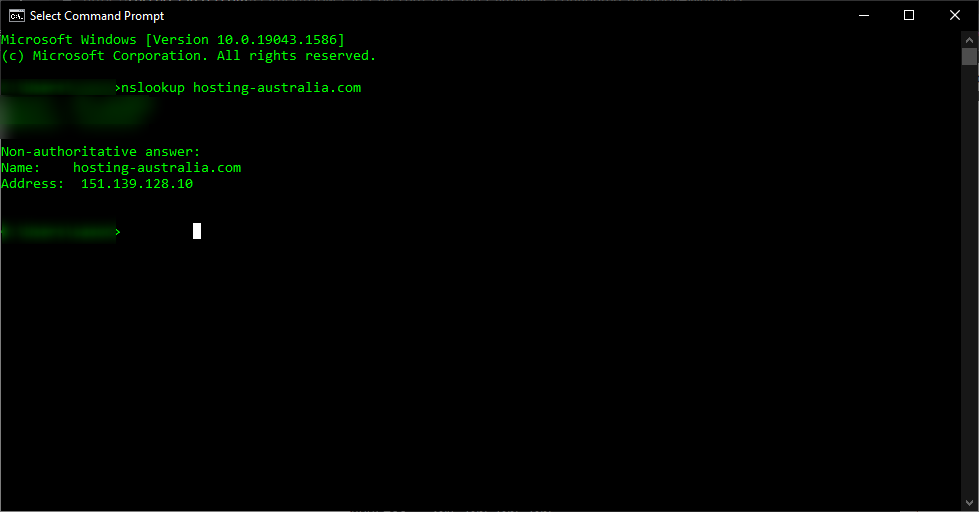
A domain name system (DNS) is a set of guidelines for mapping Internet Protocol (IP) addresses to domain names. A DNS A record is the resource record that maps an IPv4 address to a host name. The DNS server stores this information and can answer queries from other nodes on the Internet that are trying to resolve the IP address. This way, you don't have to memorize IP addresses for individual websites or servers on the internet. These A records are stored in a database called Zonefile.
There are different types of DNS records, and each one has a different function. It's important to know these records. But, this article will be focusing on the most common DNS record - The A record.
An A record is a mapping between a domain name and the IP address of the computer that hosts the domain. An A record is used to find the IP address of a computer connected to the internet using a domain name.
It’s quite simple, The A in A record stands for Address. The address you type every time you visit a website, send an email, connect to Twitter or Facebook, or do nearly anything else on the Internet is a collection of words connected by dots.
For example, to get our site Hosting Australia website, type www.hosting-australia.com into your browser. There is an A record on our name server that corresponds to the IP address 151.139.128.10. This implies that a request to www.hosting-australia.com from your browser gets forwarded to the server with the IP address 151.139.128.10.
A records are the most basic sort of DNS record, and they are one of the most commonly used records in DNS servers.
A records can be used for a variety of purposes, including providing redundancy and fallbacks by employing numerous A records for the same domain. Additionally, many names could point to the same IP address, in which case each would have its own A record.
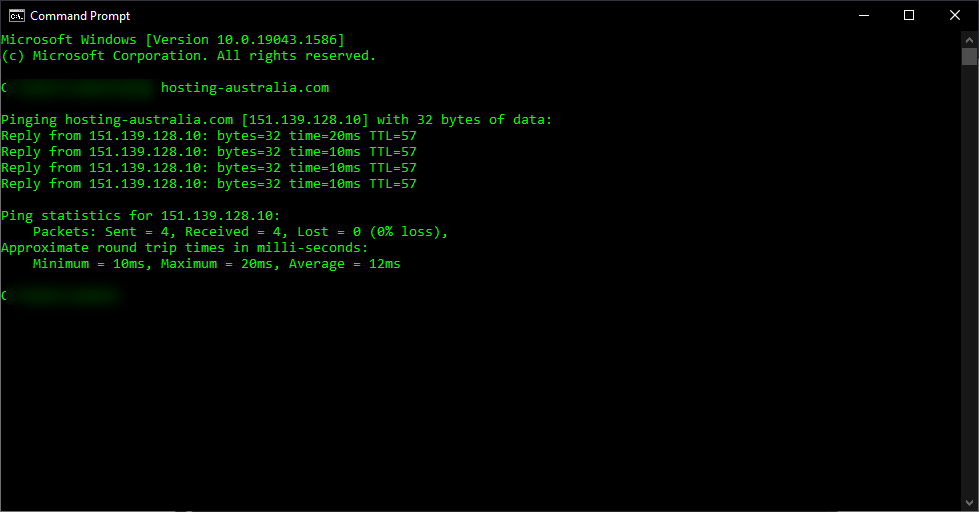
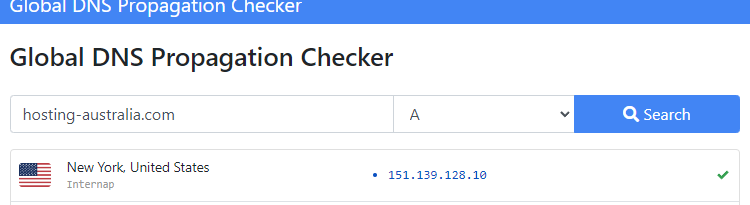
The A record is essential to the functioning of the Internet since it maps a domain name to an IP address for devices connected to the Internet.
With the rise of email, we’ve all become accustomed to using a webpage to check our email. After all, you can't exactly turn your phone upside down and shake it to see if you've received an email.
This is where MX records come in. MX stands for mail exchange and an MX record is the address that tells other computers how to deliver emails sent to your domain name. Here's what you need to know about DNS MX records and how they work, so you can make sure your emails are being delivered correctly.
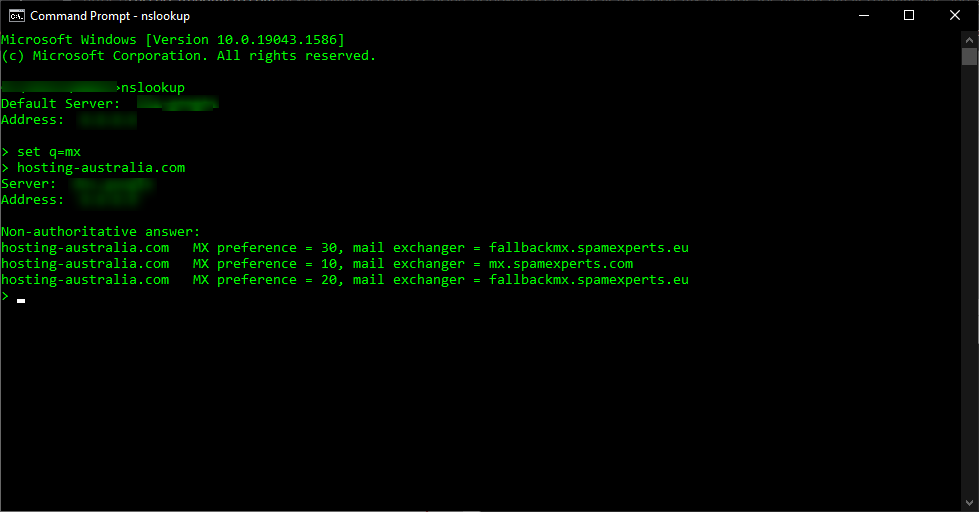
Email is directed to a mail server using a DNS'mail exchange' (MX) entry. As per the Simple Mail Transfer Protocol, the MX record specifies how email messages should be delivered (SMTP, the standard protocol for all emails). An MX record, like a CNAME record, must always point to a different domain such as mail. or the Google MX records listed below

For these MX records, the 'priority' numbers preceding the domains indicate preference; the lower the 'priority' value, the better. Because 10 is less than 20, the server will always attempt mailhost1 first. The server will fall back to mailhost2 in the event of a message send failure.
First, you will need to have access to your cPanel. If you are not sure how to access your cPanel, CLICK HERE.
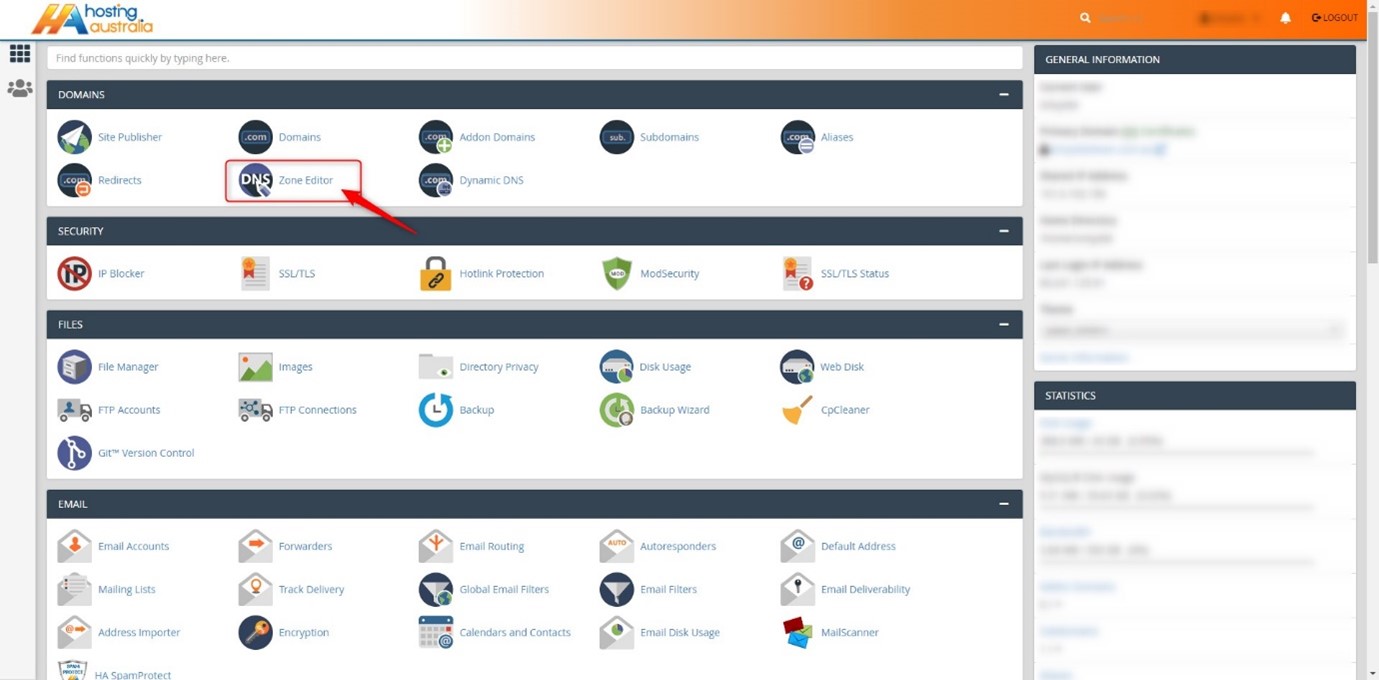
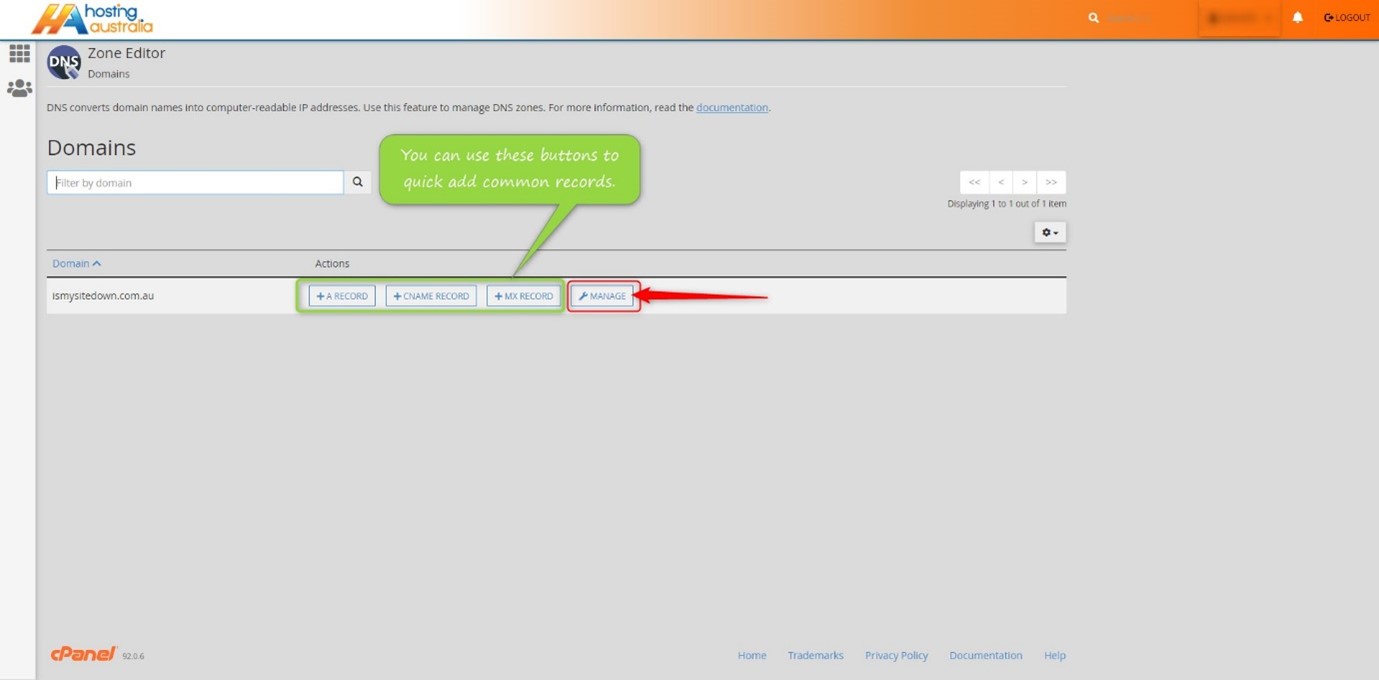
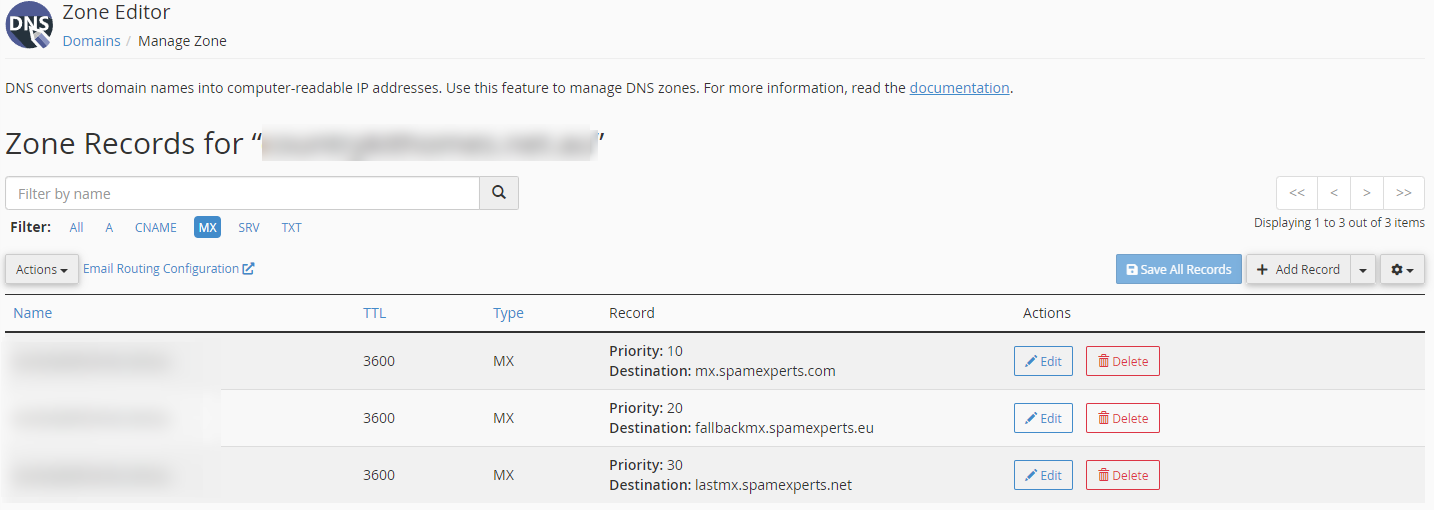
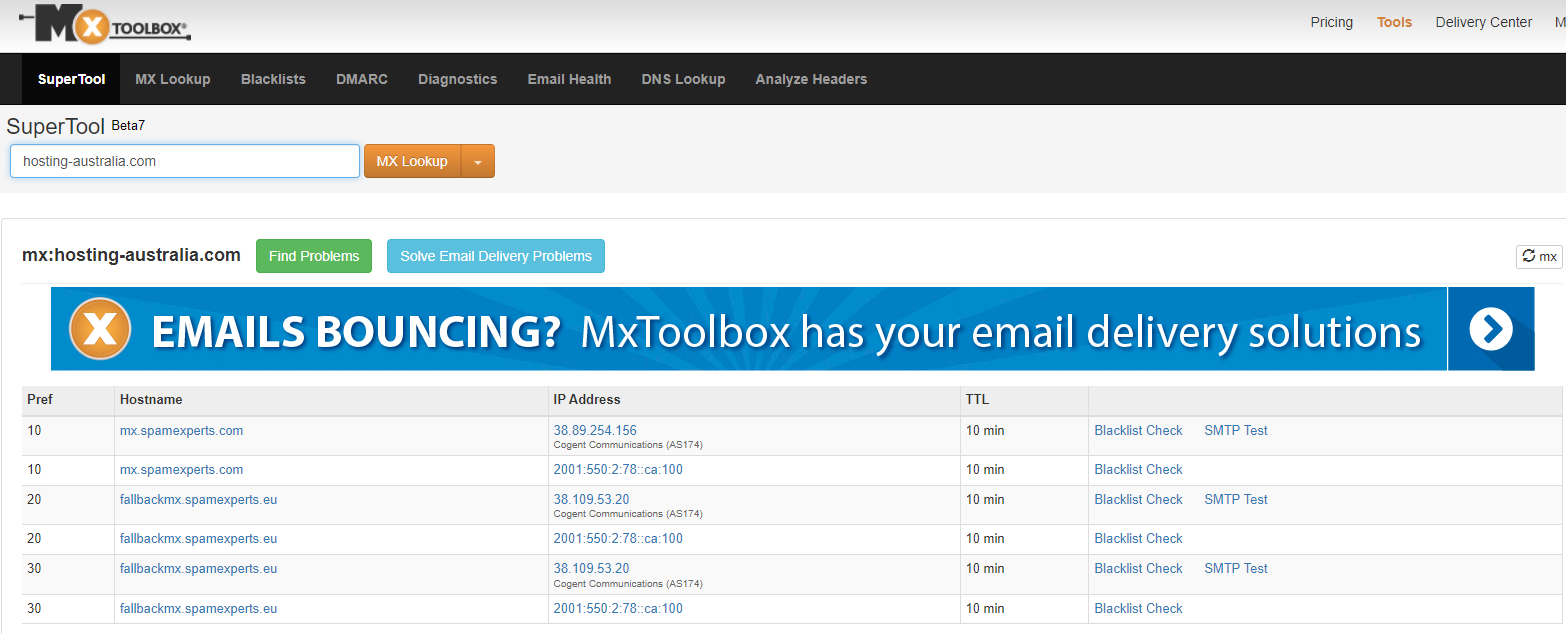
There are a lot of moving parts when it comes to managing your domain name. One of the most important things to have in order is an MX record. This is a record that controls how your email is delivered to your inbox. If you have a domain name, you have an MX record.
It's important that you know if your MX record is working correctly and if it's not, how to fix it. This is one of the simplest ways to keep your email flowing smoothly.